Introduction
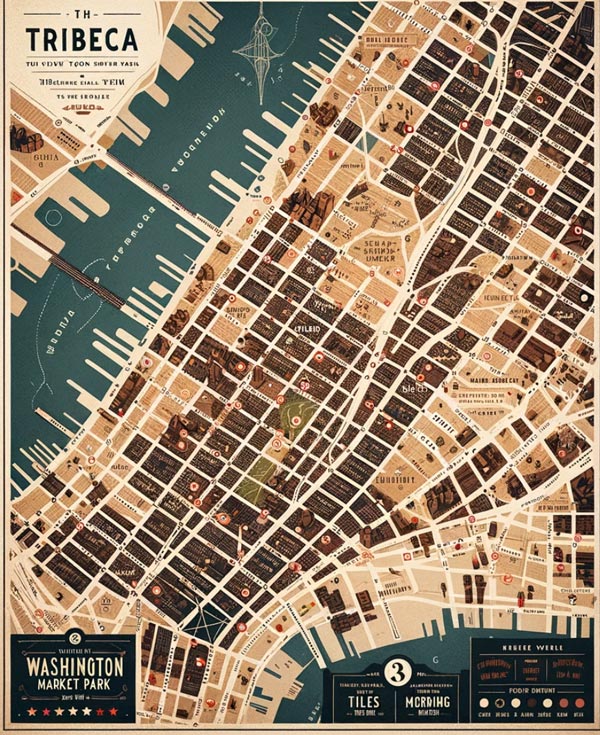
Welcome to Tribeca, a gem in the heart of Manhattan. This neighborhood, celebrated for its historical significance, architectural beauty, and modern allure, offers an unmatched living experience. As The Columbia Vitolo Team at Compass, we are delighted to guide you through the splendors of Tribeca, showcasing why it’s one of New York City‘s most desirable neighborhoods.
Historical Background
Tribeca’s journey from a 19th-century industrial zone to a modern residential haven is fascinating. The area, initially an industrial hub of warehouses and fish markets, has evolved while retaining its historical charm. Tribeca, or the “Triangle Below Canal Street,” showcases its past through iconic loft buildings and cobblestone streets, now a symbol of its unique character.
Real Estate Overview
Tribeca’s real estate is a rich tapestry of history and luxury. From spacious loft apartments in converted warehouses to modern high-rise condominiums, Tribeca offers a variety of living options.
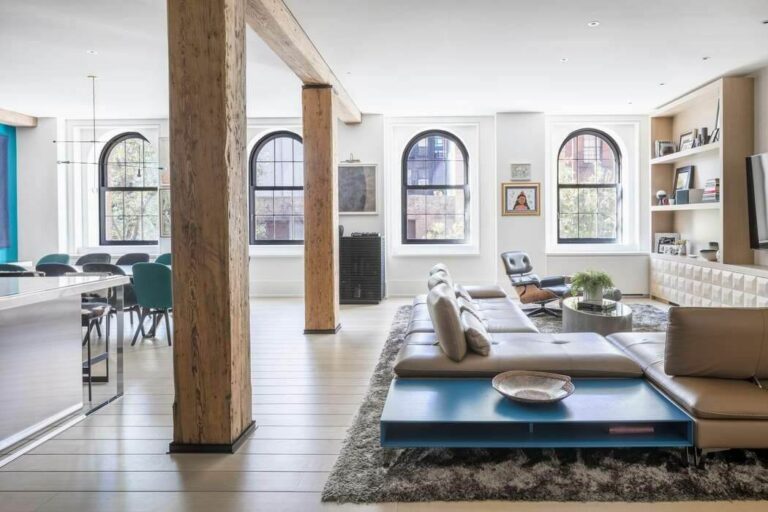
Loft Living: The lofts, known for their high ceilings and large windows, incorporate original architectural elements like exposed brick and wooden beams, blending historic charm with modern luxury.
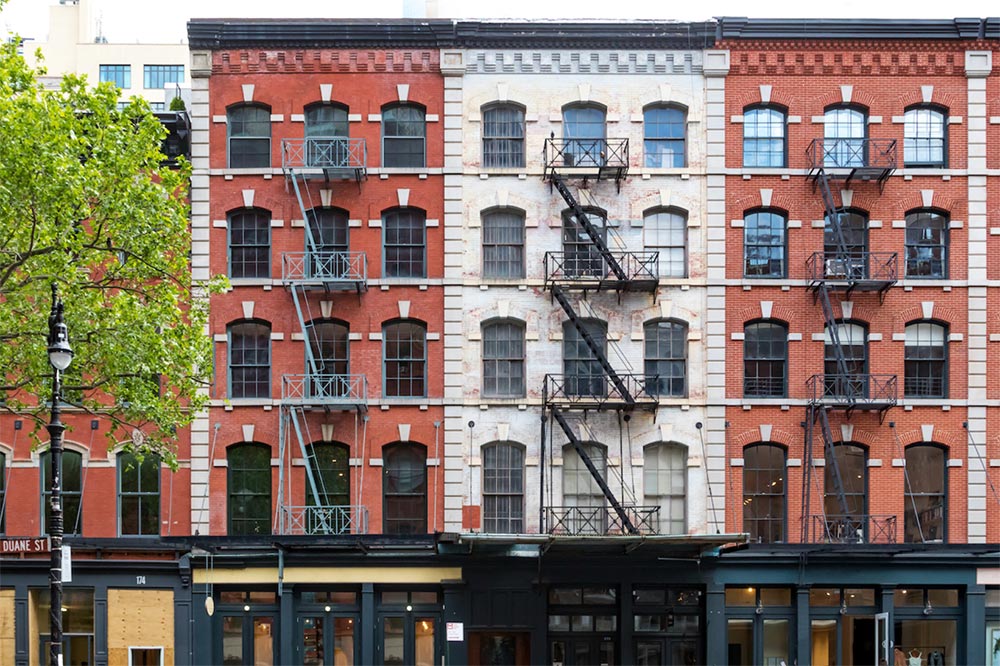
Modern Developments: These developments feature amenities like 24-hour concierge services, private fitness centers, and rooftop terraces, offering a luxurious lifestyle.
Historic Townhouses: These townhouses provide a traditional residential experience, with multiple levels and unique architectural details.
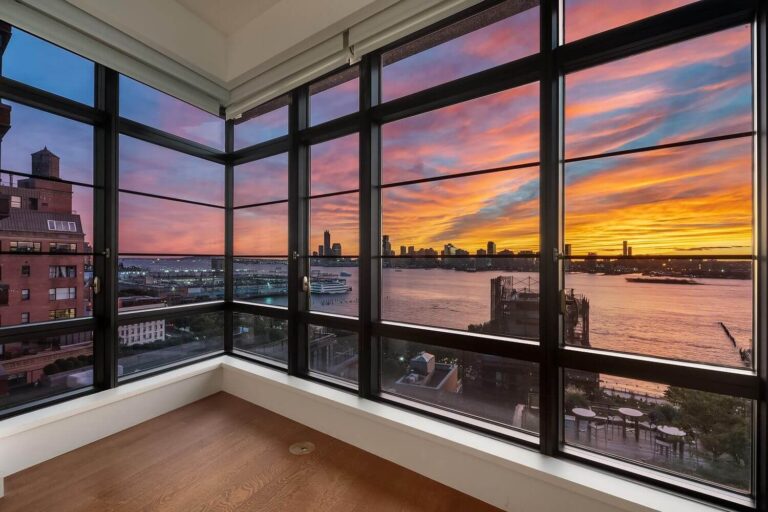
The Waterfront Edge: Residences near the Hudson River waterfront offer stunning views and access to outdoor activities.
Local Cuisine and Restaurants
Tribeca’s dining scene is a paradise for food lovers. From Locanda Verde‘s Italian cuisine to Nobu’s Japanese dishes and Bubby’s American classics, the neighborhood caters to diverse tastes.
Shopping and Retail Experience
Tribeca excels in providing a unique shopping experience. Brookfield Place, along with local boutiques, offers a mix of luxury and artisanal charm, from high-end brands to handmade crafts.
Arts and Culture
The Tribeca Film Festival is a cultural cornerstone, alongside numerous galleries and performance venues. This vibrant cultural scene reflects the neighborhood’s dynamic spirit.
Green Spaces and Recreation
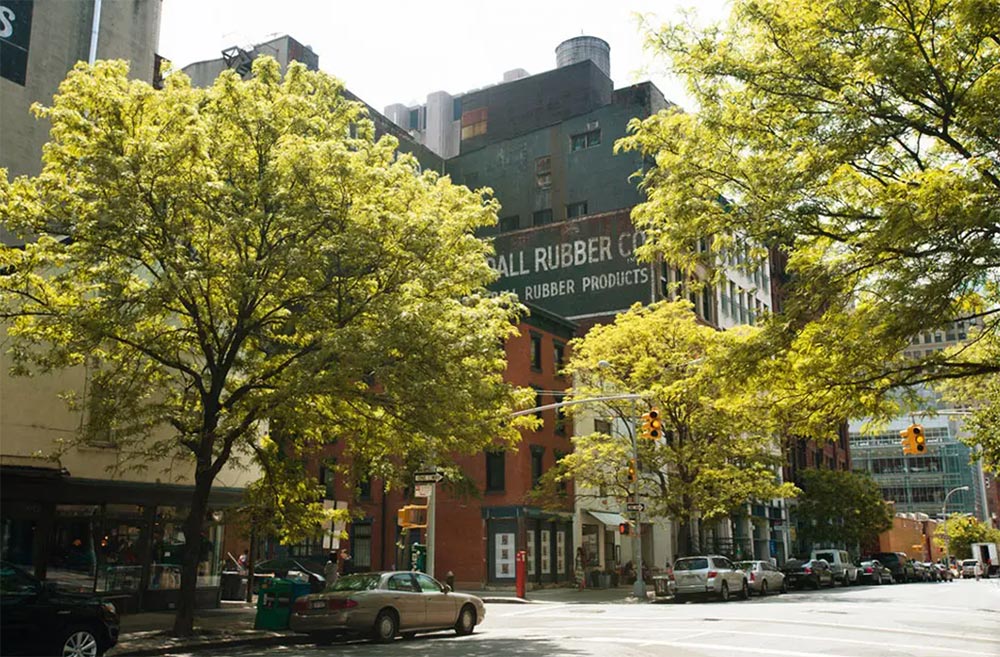
Hudson River Park is a highlight, offering green spaces for relaxation and community activities, a vital part of Tribeca’s lifestyle.
Community and Lifestyle
Tribeca is known for its strong community bonds, family-friendly environment, and top-tier educational institutions, making it a perfect place for families.
Accessibility and Transportation
The neighborhood’s accessibility is a key advantage, with multiple subway lines and pedestrian-friendly streets. It also offers sustainable transportation options like bike paths and ferries.
Proximity to Key Manhattan Attractions
Living in Tribeca means being close to iconic attractions like the World Trade Center, SoHo, and the Financial District, enriching the living experience with culture, shopping, and dining.
Defining Tribeca
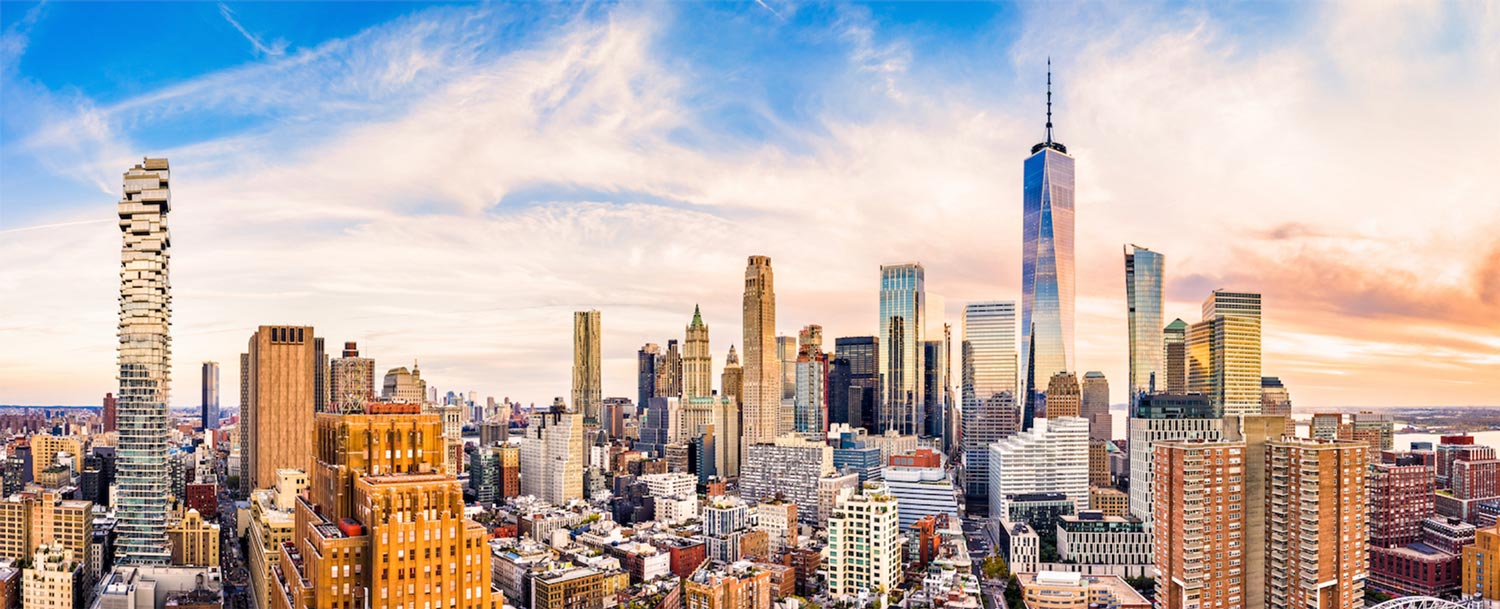
Today’s Tribeca, with fluid borders, is a blend of historical charm, cultural significance, and modern urban living.
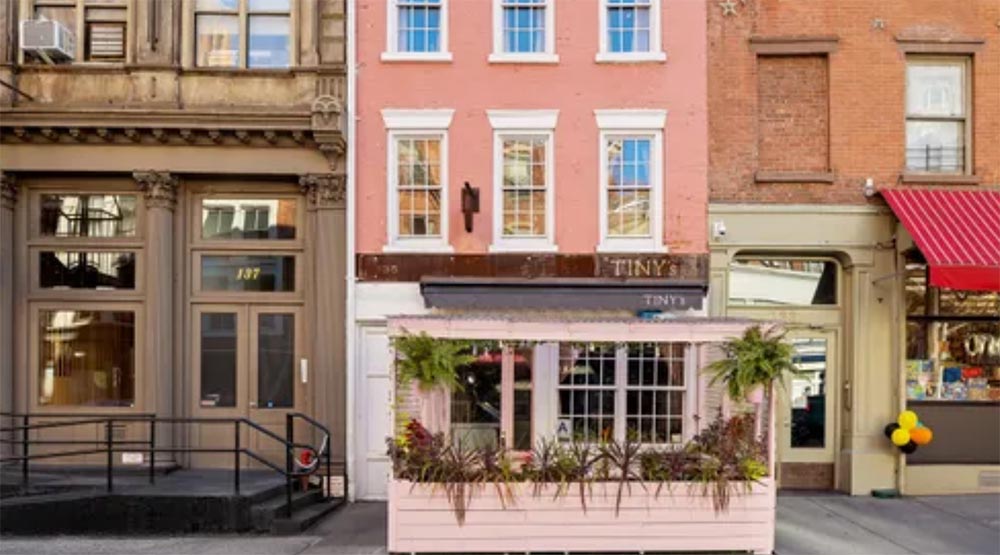
Must-See Spots in Tribeca
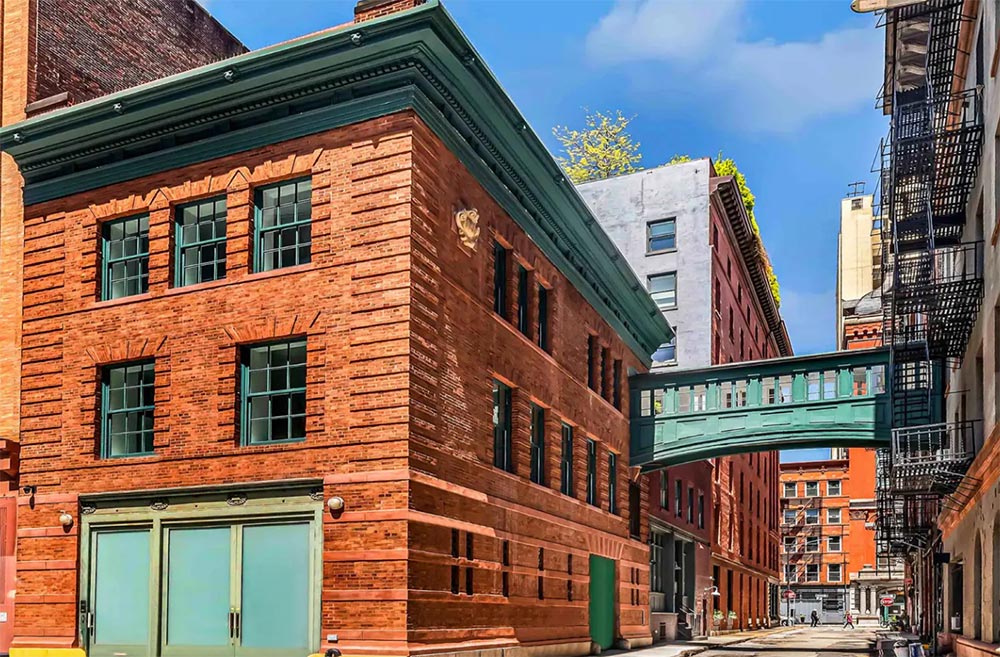
- Staple Street: Famous for its pedestrian bridge.
- Duane Park: A beautifully restored space.
- Ghostbusters Firehouse (Ladder 8): A piece of movie history.
- Hudson River Park: A scenic retreat.
Architectural Highlights
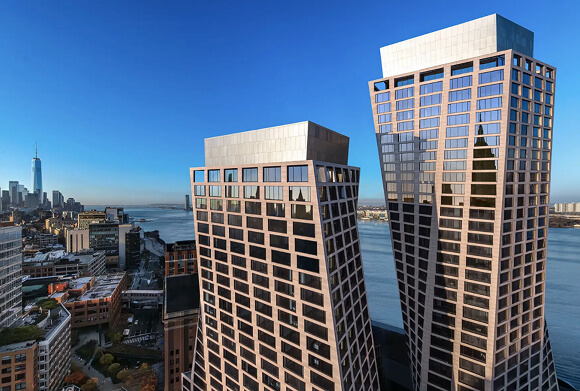
Including 56 Leonard and Frank Gehry’s skyscraper at 8 Spruce.
Dining, Shopping, and Relaxation Highlights
- Dining: Including Bubby’s, Locanda Verde, and Frenchette.
- Shopping: Featuring unique shops like Shinola and Nili Lotan.
- Relaxation: At places like Heyday Tribeca and AIRE Ancient Baths.
Nightlife and Cultural Experiences
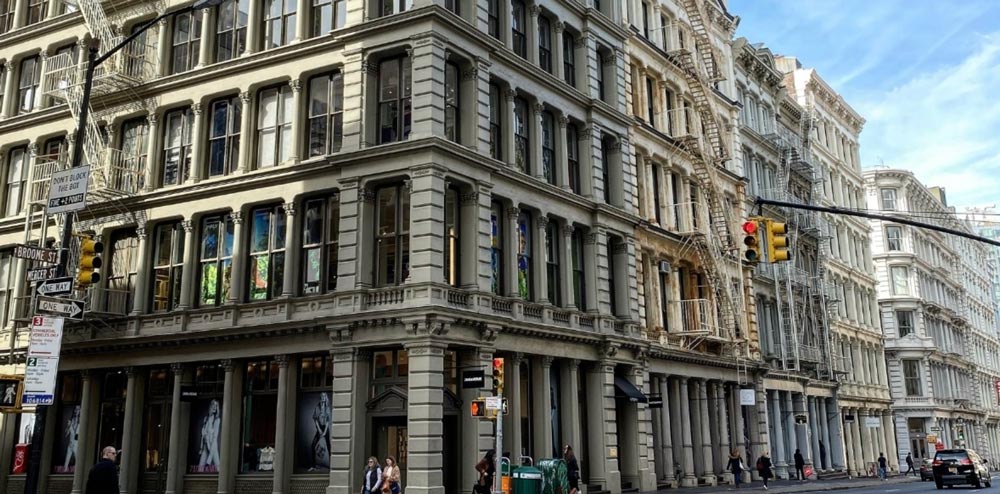
Cultural Experience: Poets House and the Tribeca Performing Arts Center provide cultural enrichment.
Conclusion
Tribeca, with its historical roots and modern sophistication, offers an unparalleled lifestyle choice. The Columbia Vitolo Team at Compass invites you to explore and make Tribeca your home. Experience the luxury, culture, and community spirit that define this quintessential Manhattan neighborhood.
The Best of Tribeca: A Curated Guide
Welcome to the vibrant neighborhood of Tribeca in Manhattan, where history meets modern luxury. Presented by The Columbia Vitolo Team at Compass, this guide highlights the best places to visit in Tribeca, each offering a unique slice of what makes this area so special.
Tribeca neighborhood guide
Wellness and beauty
Raquel New York
- Location: 86 Walker St., Floor 6, Tribeca
- Specialty: High-tech, skin-reviving facials and body treatments
Tulura
- Location: 65 Reade St., Tribeca
- Specialty: Korean-style facials and skin-clearing treatments
Onda Beauty
- Location: 117 West Broadway, Tribeca
- Specialty: Clean beauty products and transformative therapies
Fitness and wellness
The Class by Taryn Toomey
- Location: 22 Park Pl., Tribeca
- Specialty: Unique fitness experience blending yoga, aerobics, and strength training
Culinary delights
Frenchette Bakery
- Location: 220 Church St., Tribeca
- Specialty: Fresh baguettes, croissants, and artisan pastries
Frenchette
- Location: 241 W. Broadway, Tribeca
- Specialty: French brasserie cuisine with a modern twist
Locanda Verde
- Location: 377 Greenwich St., Tribeca
Juice Press
- Location: 415 Greenwich St., Tribeca
- Specialty: Nutrient-dense green juices and smoothies
Wine and spirits
Frankly Wines
- Location: 66 W Broadway, Tribeca
- Specialty: Curated wine selections and virtual tastings
Fashion and shopping
Jason Scott (Closed)
- Location: 102 Franklin St.
- Specialty: Casual wear with a focus on quality and craftsmanship
Home and lifestyle
Colony
- Location: 324 Canal St., Tribeca
- Specialty: Design co-operative showcasing high-design furniture and textiles
Espasso
- Location: 38 N. Moore St., Tribeca
- Specialty: Modern and contemporary Brazilian furniture
Art and culture
Double Knot
- Location: 13 White St., Tribeca
- Specialty: Collection of tribal rugs, antique carpets, and textiles
Services
Olivier Cheng Catering & Events
- Location: 12-16 Vestry St., Tribeca
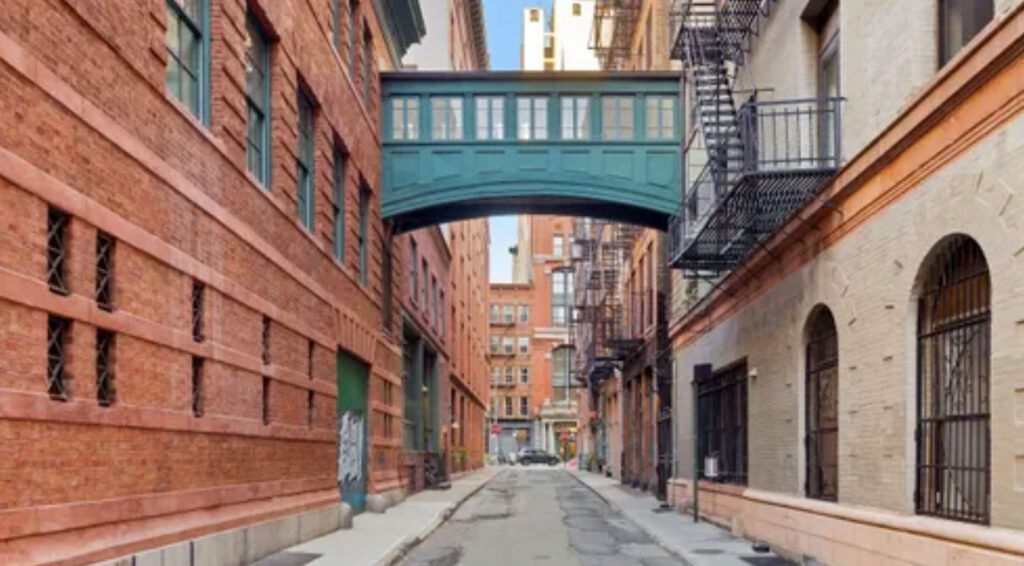
This guide showcases just a fraction of what Tribeca has to offer, from its culinary delights and wellness spots to its unique shopping experiences and cultural hotspots. Whether you’re a local or a visitor, these destinations are sure to provide a memorable experience in this iconic Manhattan neighborhood.
Note: For the most current information, including contact details, it’s recommended to check online or directly with the establishments.
TriBeCa: A Premier Destination for Luxury Living and Real Estate Investment
TriBeCa, short for “Triangle Below Canal Street,” continues to solidify its status as one of Manhattan’s most coveted neighborhoods for real estate and lifestyle. Known for its blend of historic charm, modern luxury, and serene ambiance, TriBeCa offers a unique living experience that appeals to high-net-worth individuals, families, and creatives alike. Here’s an in-depth look at what makes TriBeCa a standout choice for homebuyers, renters, and investors, with insights into real estate trends and the lifestyle that defines this iconic neighborhood.
Real Estate Market Trends in TriBeCa
TriBeCa’s real estate market is characterized by its exclusivity and high demand, driven by limited inventory and the neighborhood’s unparalleled appeal. As of 2025, the median sale price for homes in TriBeCa hovers around $4.5 million, with luxury lofts and condominiums often commanding prices well above $10 million. For example, a recent listing at 55 Warren Street, a full-floor loft with over 3,600 square feet, was priced at $5.599 million, showcasing the premium placed on spacious, well-appointed properties.
The neighborhood’s real estate landscape is dominated by:
- Loft-style apartments: Many of TriBeCa’s buildings are converted warehouses, offering expansive layouts, high ceilings (often 10 feet or more), and large windows that flood the interiors with natural light. These lofts are particularly appealing to buyers seeking unique, customizable spaces.
- Luxury Condominiums: Developments like 70 Vestry Street, designed by Robert A.M. Stern Architects, epitomize TriBeCa’s high-end market. With residences ranging from 1,900 to 7,000 square feet and amenities like a skylighted pool and automated parking, these buildings cater to affluent buyers seeking a full-service lifestyle.
- Pre-war walk-ups and Co-ops: While less common, these properties offer a more affordable entry point into Tribeca, though prices remain steep compared to other Manhattan neighborhoods. Co-ops, in particular, are highly sought after, with some buildings now commanding the highest prices in New York City.
Its low inventory and high desirability fuel the demand for TriBeCa properties. Unlike other Manhattan neighborhoods, TriBeCa’s historic zoning restrictions limit new construction, which preserves its architectural character but also constrains supply. This scarcity drives competition, with well-priced listings often receiving multiple offers within weeks. For instance, the Columbia Vitolo Team has noted that their strategic marketing, including Compass Private Exclusives, allows sellers to test the market discreetly while maximizing value.
For investors, TriBeCa offers substantial potential for appreciation. Over the past decade, property values have steadily increased, with luxury condos and lofts appreciating by an average of 5-7% per year. The neighborhood’s status as a cultural and culinary hub, coupled with its proximity to the Financial District and Battery Park City, ensures sustained interest from both domestic and international buyers.
Living in TriBeCa: A Lifestyle of Elegance and Ease
Beyond its real estate allure, TriBeCa offers a lifestyle that balances urban sophistication with neighborhood charm. Residents enjoy a quieter, more relaxed pace compared to busier areas like Midtown or the Upper East Side, making it ideal for those seeking an escape from Manhattan’s hustle while remaining close to its pulse.
- Architectural Charm and Historic Appeal: Tribeca’s streets are lined with cast-iron buildings and cobblestone pathways, many of which are designated as historic landmarks. This aesthetic, combined with modern renovations, creates a living environment that feels both timeless and contemporary. For example, buildings like 70 Vestry Street pay homage to the neighborhood’s industrial past while offering state-of-the-art interiors.
- Cultural and Culinary Hub: TriBeCa’s dining scene, highlighted in the blog, is complemented by its cultural offerings. The TriBeCa Film Festival, now a global event rivaling Cannes in prestige, draws residents and visitors alike, enhancing the neighborhood’s cachet. Art galleries, boutique fitness studios, and venues like the Roxy Cinema add to the creative vibe, appealing to residents who value intellectual and artistic engagement.
- Proximity and Accessibility: TriBeCa’s location offers easy access to public transportation, with the 1/2/3 trains nearby, and a short commute to the Financial District, SoHo, and the West Village. Its walkability—described as a “walker’s paradise”—makes daily errands and leisure outings seamless.
Challenges and Considerations for Residents and Buyers
While TriBeCa is a dream destination, there are considerations for prospective buyers and residents:
- High Cost of Living: Beyond real estate, daily expenses in TriBeCa are steep. Dining at renowned restaurants like Frenchette or shopping at high-end boutiques can put a strain on budgets. A 2-bedroom, 1.5-bathroom apartment typically averages $4 million or more, and rentals for similar units start at around $10,000 per month.
- Co-op Restrictions: For those eyeing co-ops, TriBeCa’s buildings often have stringent board requirements, including substantial U.S.-based assets and restrictions on using units as secondary homes or rentals. Condominiums are generally more flexible, making them a preferred choice for international buyers.
- Limited Inventory: The neighborhood’s low turnover and restricted development mean buyers must act quickly when desirable properties hit the market. Working with experienced agents like the Columbia Vitolo Team, who have access to off-market listings, can provide a competitive edge.
Why Choose TriBeCa for Your Next Home?
TriBeCa’s real estate market and lifestyle make it a top choice for those seeking a blend of luxury, history, and community. Whether you’re drawn to a sprawling loft with Hudson River views, a modern condo with world-class amenities, or a charming pre-war co-op, TriBeCa offers diverse options for discerning buyers. The neighborhood’s understated elegance, coupled with its proximity to Manhattan’s key districts, ensures it remains a sound investment and an exceptional place to call home.
For those considering a move to TriBeCa, partnering with a knowledgeable real estate team is essential. The Columbia Vitolo Team at Compass, with over $1.7 billion in sales and deep expertise in TriBeCa, provides tailored guidance to navigate the competitive market. From securing off-market listings to optimizing property valuations, their personalized approach ensures clients achieve their real estate goals. To explore TriBeCa’s offerings or schedule a consultation, contact them at columbiavitoloteam@compass.com or (212) 941-7670.