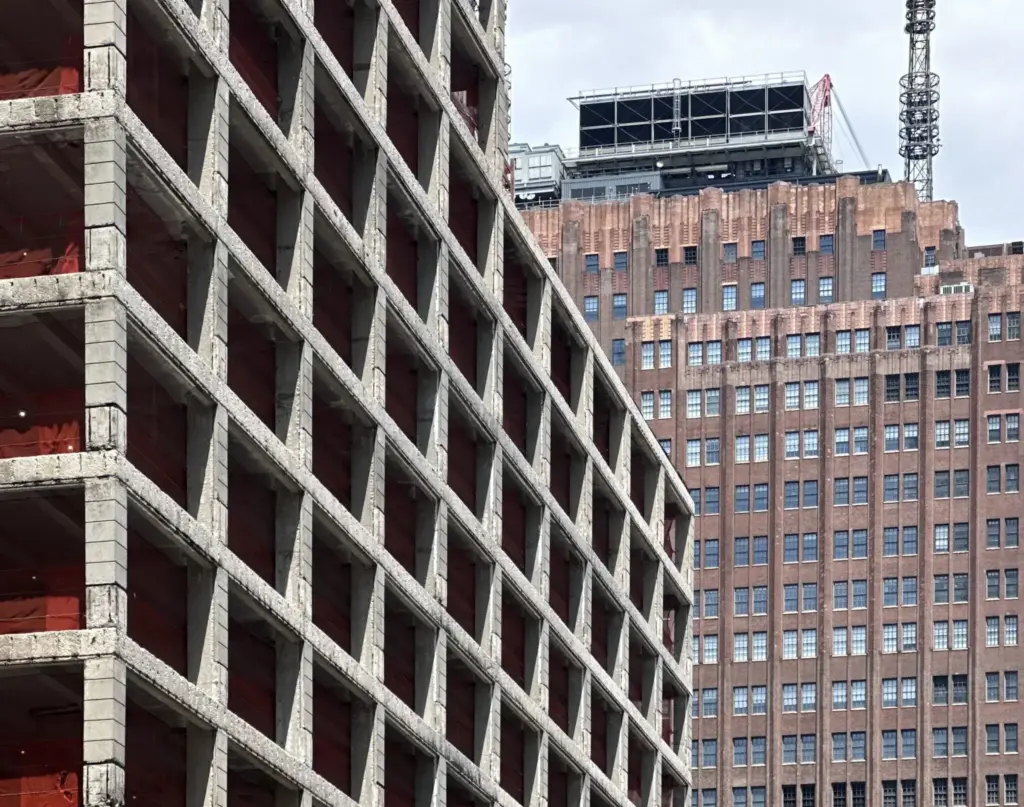
At 101 Franklin Street, adjacent to the famed 56 Leonard Street, a 16-story reinforced concrete superstructure stands stripped to its core, its mid-century brick and ribbon windows removed to reveal the raw, powerful bones of a building on the precipice of rebirth.
The skeletal frame is not a sign of decay but a canvas for one of the most anticipated transformations in Downtown Manhattan. This project is one of Tribeca’s most anticipated new development condominium projects in years.
101 Franklin Street is an ambitious office-to-condominium conversion poised to become a new landmark in one of the city’s most coveted neighborhoods. The project represents a strategic pivot from underperforming commercial assets to high-demand luxury residences, a trend reshaping the urban landscape.
This monumental undertaking is a formidable joint venture of real estate titans—TPG, Cannon Hill Capital Partners, and Skylight Real Estate Partners—with an architectural vision crafted by the legendary late architect Rafael Viñoly.
Their mission is to transform the 205,000-square-foot structure into premier luxury condominiums that honor its industrial past and Tribeca’s luxurious future (with a strong architectural pedigree).
A Storied Past: From Civic Hub to Development Opportunity
101 Franklin Street, also known as 250 Church Street, was built in 1948, a product of the mid-century utilitarian aesthetic that defined much of New York’s post-war commercial construction. Occupying a prominent through-lot parcel spanning the entire blockfront between Franklin and Leonard Streets, it was a cornerstone of New York’s civic infrastructure for decades.1
For most of its life, the building was the bustling headquarters for the New York City Human Resources Administration (HRA) and the Department of Social Services (DSS), housing critical city agencies that served millions of New Yorkers from its more than 215,000 square feet of office space into an enclave of private luxury.
In 2017, the HRA and DSS signed a lease to relocate to Brooklyn, leaving the formidable structure vacant and ripe for reinvention.
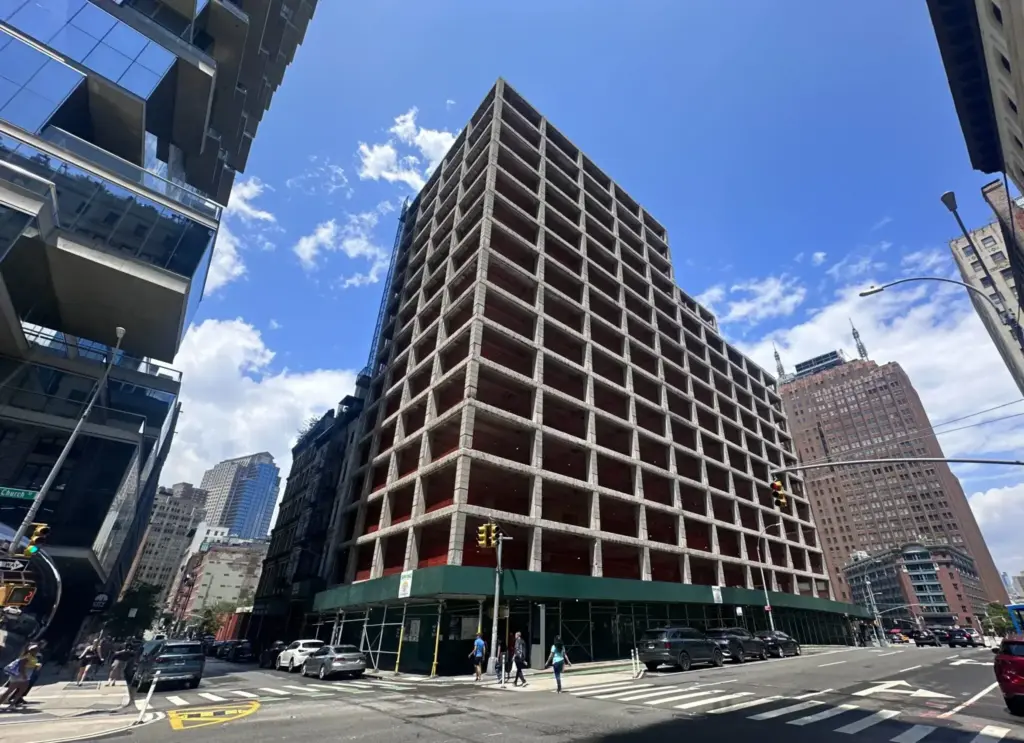
In December 2019, at the market’s peak, Columbia Property Trust, in partnership with Normandy Real Estate Partners, acquired a staggering $205.5 million building, signaling grand ambitions. However, these ambitions soon met the harsh realities of a shifting market.
A series of stalled plans followed, creating five years of dormancy. An initial 2017 filing for a 107-unit residential conversion never gained traction, and by 2019, plans had pivoted toward a boutique office redevelopment—a strategy that also failed to launch..
The team assembled to resurrect 101 Franklin Street is no ordinary group of investors; it is a strategic alliance of specialists, a joint venture where each partner’s strength is precision-engineered to mitigate the immense risks of a project of this scale and complexity.1
At the helm is TPG (formerly Texas Pacific Group), a global private equity firm with the financial might and strategic vision to underwrite such a monumental undertaking. With over $269 billion in assets, TPG operates a sophisticated real estate platform that includes TPG Real Estate Finance Trust (TRTX) and TPG Angelo Gordon, a global credit and real estate investing powerhouse.7
TPG’s involvement is not a one-off bet but part of a calculated, large-scale push into the office-to-residential conversion space.
The Architectural Firm
Elevating 101 Franklin Street from a strategic real estate play to a project of true architectural significance involves Rafael Viñoly Architects, the internationally acclaimed firm founded by the late master architect. The project now stands as one of Viñoly’s posthumous works, imbued with the legacy of a Pritzker Prize laureate celebrated for his structural honesty, minimalist elegance, and profound understanding of urban context.
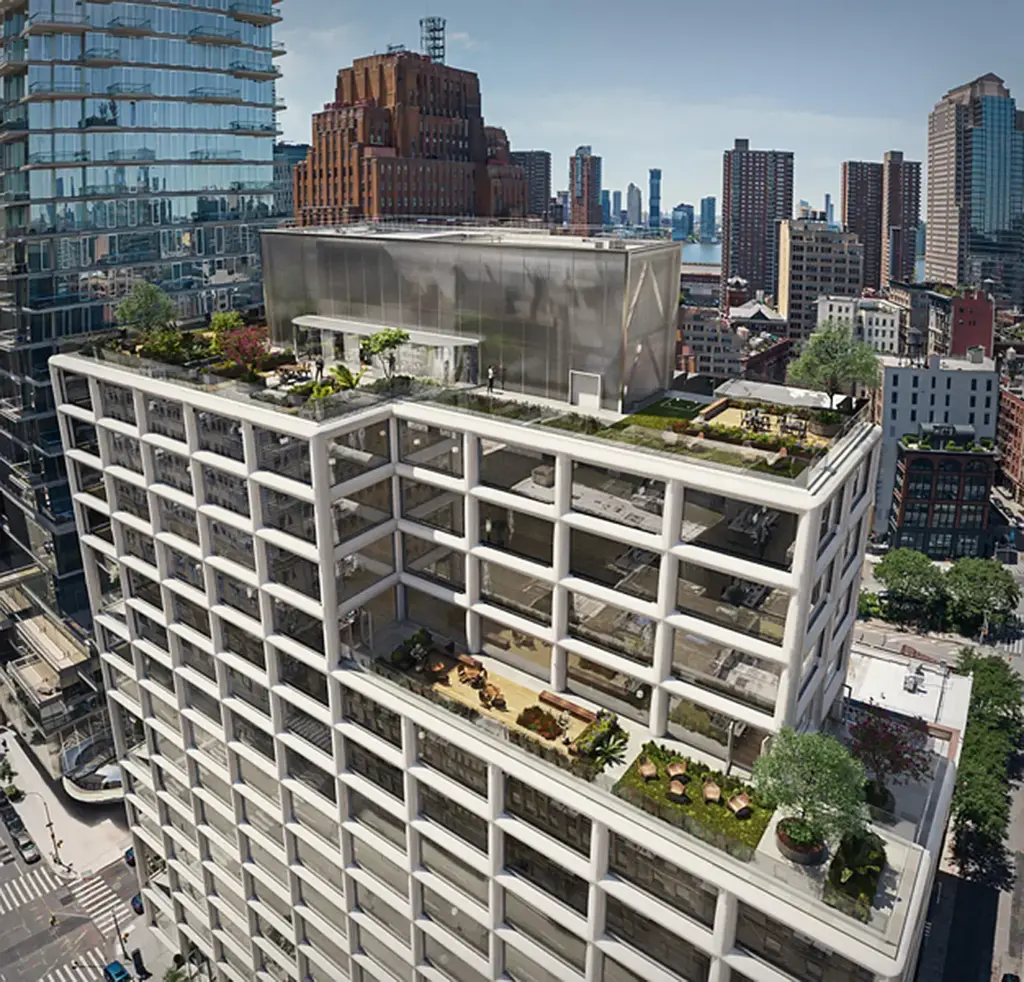
Viñoly’s indelible mark on the New York City skyline provides a clear lens through which to anticipate the design of 101 Franklin. His other residential towers are studies in architectural purity and resident-focused design:
- 432 Park Avenue: The iconic super-slender tower is defined by its exposed concrete grid, a pure geometric expression that became a global symbol of minimalist luxury and structural daring.
- 277 Fifth Avenue: This tower prioritizes the resident experience, with column-free interiors and dramatically carved-out loggias designed to maximize light, air, and panoramic views.20
- 125 Greenwich Street: Here, Viñoly took an unconventional approach, opting for a larger floor plate to create more generous and flexible apartment layouts—a strategy directly relevant to the adaptive reuse of an office building.
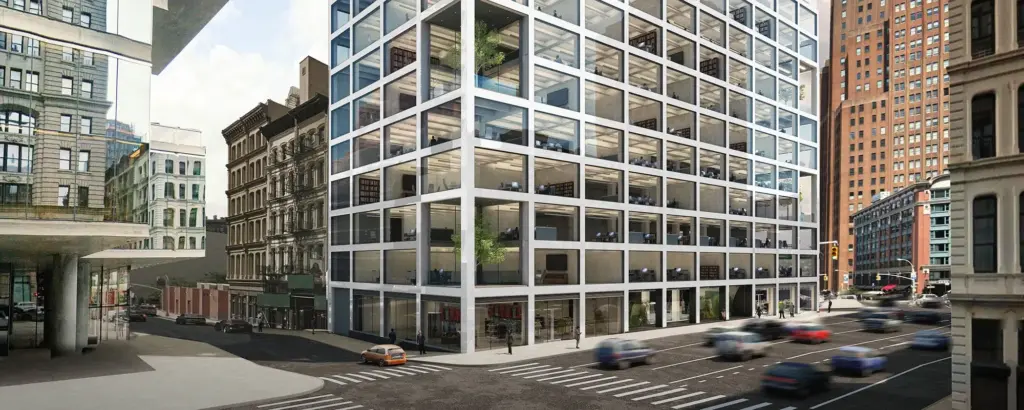
The firm’s original design intent for 101 Franklin, conceived for a commercial renovation, was to “articulate the noble grid of the existing utilitarian structural frame”. This philosophy, a career-long signature for Viñoly, transforms an economic necessity into an aesthetic statement. Rather than concealing the building’s 1948 concrete skeleton, the design celebrates it.
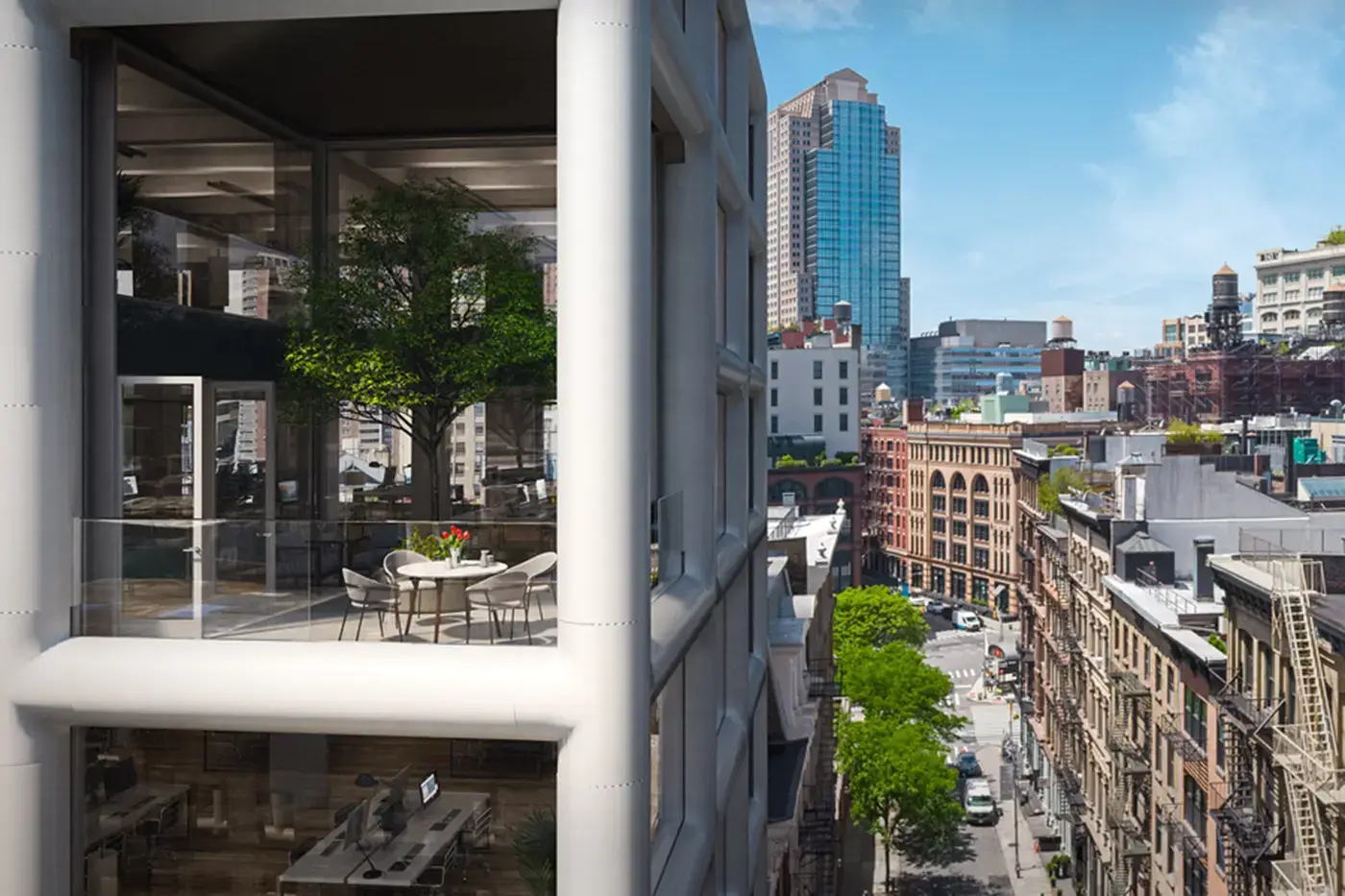
The outdated renderings, though preliminary, suggest a modern glass curtain wall will be meticulously integrated within this expressed grid, creating a facade of transparent, light-filled volumes. Setbacks in the building’s massing will be repurposed as expansive, landscaped private terraces, a highly coveted amenity.
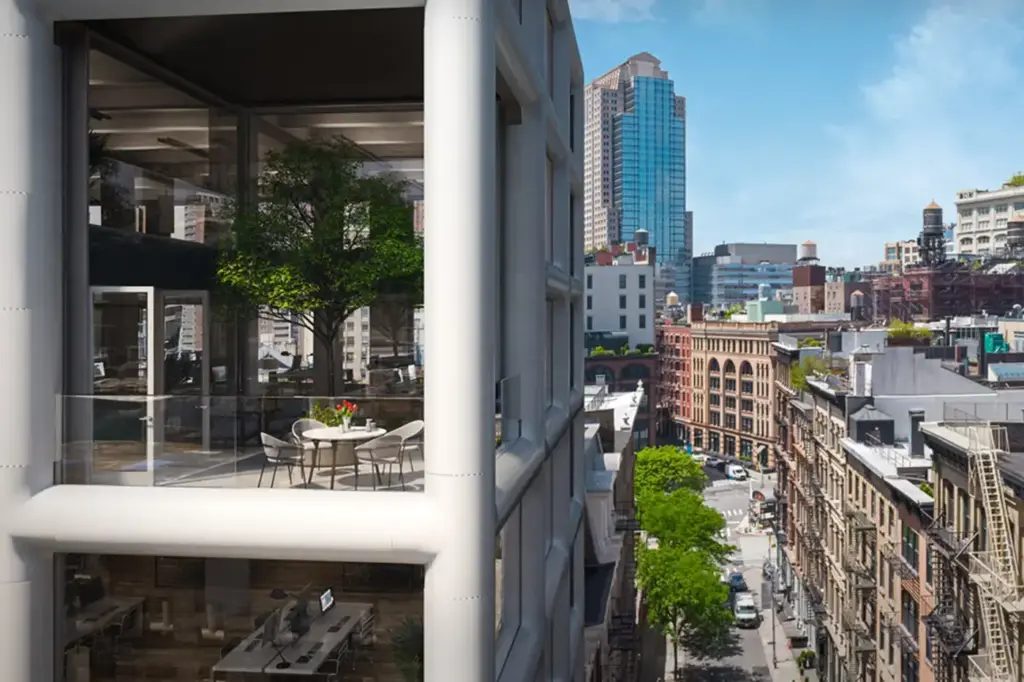
The physical conversion of 101 Franklin Street is a monumental undertaking, leveraging the building’s inherent strengths while preparing it for a complete metamorphosis. The structure rises 17 stories and encompasses a total area between 205,000 and 239,310 square feet, all situated on a generous 13,600-square-foot through-block lot.
The building’s physical form makes it an exceptionally strong candidate for residential conversion, a quality that sets it apart from many of its mid-century office peers.
It boasts three sides of uninterrupted light and air for the first 90 feet of height, and four sides of exposure thereafter—a rare and invaluable attribute that solves the primary challenge of adaptive reuse: ensuring natural light penetrates deep into the living spaces. This structural advantage allows for creating bright, airy residences with expansive views, a hallmark of luxury.
101 Franklin Street is fundamentally a story of market timing and strategic arbitrage. This deal is a prime example of a city-wide phenomenon: converting functionally obsolete or underperforming office buildings into high-end residential properties.
As the demand for traditional office space wanes, savvy investors are capitalizing on the opportunity to acquire these assets at a deep discount and reposition them to meet the city’s insatiable demand for luxury housing.
The choice of Tribeca as the location for this high-stakes venture is no accident. The neighborhood remains one of New York City’s most resilient and valuable residential markets, defined by its historic charm, cultural cachet, and consistently high property values. The potential for profitability is clear and compelling. At the nearby architectural icon, 56 Leonard Street, condominiums consistently trade for approximately $3,000 to $4,000 per square foot.2
This established market benchmark provides a clear path for the developers to transform a ~$478 per-square-foot acquisition into a finished product worth six to eight times that value, justifying the significant investment and risk. When complete, 101 Franklin will enter a competitive landscape of premier new developments, each vying for the top of the market.
| Building Name/Address | Architect | Year Built/Completed | Notable Features | Price Range (per SF, approx.) | Sample Listing Price |
|---|---|---|---|---|---|
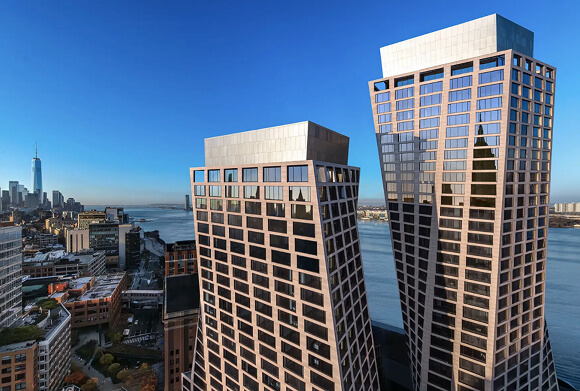
| 56 Leonard Street | Herzog & de Meuron | 2017 | Iconic “Jenga Tower” design, cantilevered residences | $3,000 – $4,000+ | 4-bed for $15,950,000 |
| 101 Warren Street | Skidmore, Owings & Merrill (SOM) | 2008 | Mixed-use with Whole Foods, extensive amenities | $2,000 – $2,500 | 7-bed combo for $13,995,000 |
| 111 Murray Street | Kohn Pedersen Fox (KPF) | 2018 | Flared glass tower, over 20,000 SF of amenities | $3,000 – $4,500+ | 5-bed PH for $33,950,000 |
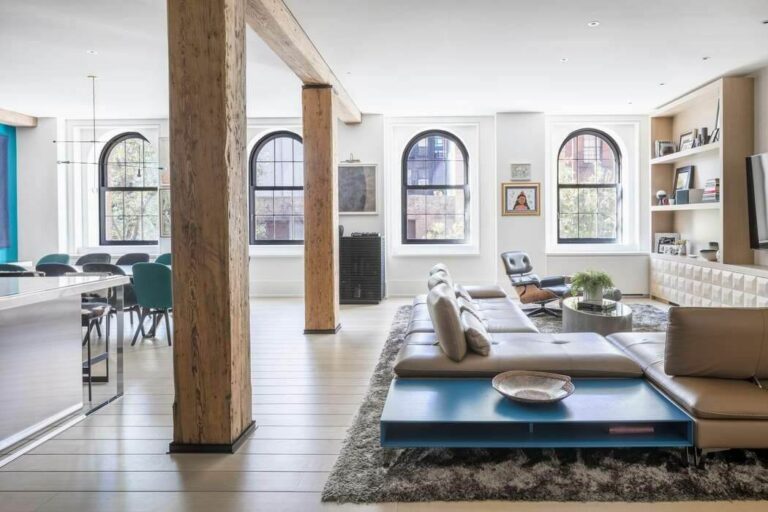
| 108 Leonard Street | McKim, Mead & White / Elad | 2021 | Landmark Beaux-Arts conversion, grand scale interiors | $2,500 – $4,000 | 1-bed to 5-bed from $1.9M – $24.4M |
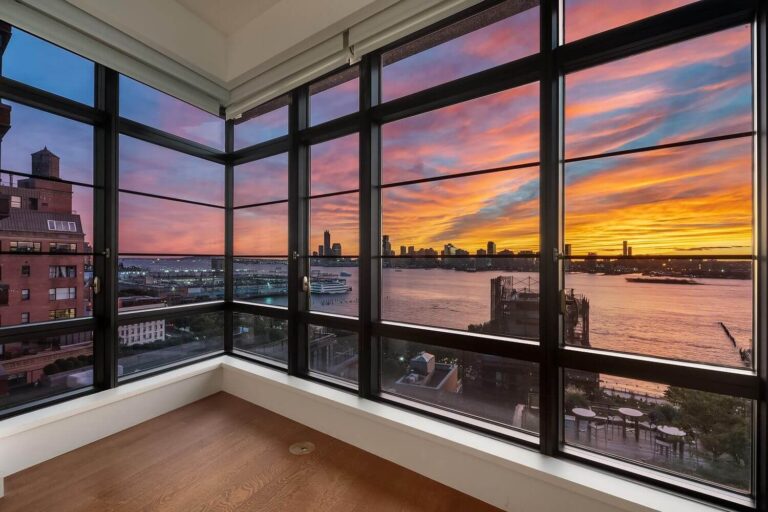
| 70 Vestry Street | Robert A.M. Stern Architects | 2018 | Classic limestone facade, Hudson River views | $4,000 – $5,000+ | 2-bed for $9,950,000 |
The Buyer Appeal of 101 Franklin Street
Beyond the architecture and financials, the ultimate appeal of 101 Franklin Street lies in the unparalleled lifestyle it will offer. Tribeca is a neighborhood that blends a rich history with contemporary luxury, where landmarked cast-iron facades and cobblestone streets create a unique, sophisticated ambiance. It offers a “mellower,” more refined residential experience than other downtown districts’ frenetic energy, attracting a discerning global clientele.28
Residents of 101 Franklin will be immersed in a world-class culinary and cultural scene. The neighborhood is home to iconic restaurants like The Odeon, Robert De Niro’s Locanda Verde, and the Tribeca Grill, making it a premier dining destination. The annual Tribeca Festival further cements the area’s status as a global cultural hub.
For recreation and wellness, Hudson River Park’s vast green spaces and waterfront paths are just a short walk away, offering a vital connection to nature and outdoor activity. Unique destinations like the Greco-Roman-inspired Aire Ancient Baths provide a relaxing urban sanctuary.
The transformation of 101 Franklin Street is more than just another luxury condominium project; it is a powerful narrative about New York City’s resilience and constant reinvention. Its journey from a workhorse civic building to a stalled asset and now to its impending rebirth mirrors the broader economic and social shifts reshaping the urban core.
Details on pricing, unit mix, and delivery date have not been publicly released. However, do feel free to register for our VIP list to receive updates as more information is released and the project approaches the launch of the sales program.